

Content adapted from: 2020 Elsevier Live Webinar with Dr. David Randall. Diagnosis; The art of becoming a doctor
One of the most important skills in medicine is also one of the least taught: how to actually make a diagnosis. Dr. David Randall, renal specialist, researcher, and co-editor of Kumar & Clark’s Clinical Medicine — shared some refreshingly honest insights in a 2020 webinar on the art and psychology of diagnosis.
Whether you’re just starting medical school, clinical placements, or preparing for finals, his advice is the kind you’ll benefit from having on day one.
Dr. Randall’s Tips for Better Diagnosis
Tip #1: ask why
- Every patient is unique: their background, travel history, lifestyle, and life events all shape their risk
- Ask questions that push past surface symptoms to understand what’s specific about this person
Tip #2: Describe Accurately
- Practise summarising a patient’s presentation in a single sentence
- The timeline alone (seconds vs days vs months) can point you towards vascular, infective, or degenerative causes
“If you can accurately describe what a patient presented with, you are well on your way to making a good diagnosis.” – Dr. David Randall
Tip #3: Rare Things Are Common
- Think Horses not Zebras — but stay open if the picture doesn’t quite fit
- In a busy A&E seeing 20 patients, statistically at least one may have something unusual
Tip #4: Always Ask: What’s the Urgency?
- Is the patient well or unwell? If unwell — do you know why?
- Don’t let the intellectual pursuit of a diagnosis delay treatment for a sick patient
“Never allow a quest for the diagnostic truth to get in the way of the urgency question.” – Dr. David Randall
Tip#5: Listen to the Alarm Bells
- If something doesn’t fit — a blood result, a lack of improvement, don’t suppress that feeling
- Good diagnosticians stay alert to when they may need to go back to the drawing board
Tip#6: Be Humble
- Diagnostic pride is a patient safety risk
- Being willing to say “I might have got that wrong” is a strength, not a weakness
“Humility is your friend in medicine. It’s your friend in making a diagnosis.” – Dr. David Randall
Tip# 7: Be Kind
- Behind every diagnostic puzzle is a frightened patient
- Find out what they want — a name for their condition, reassurance, or a plan — and centre that in your care
“If you’ve spent time with a patient, if you’ve been a friend to them… you’ve done them good, even if you’ve got the diagnosis completely wrong.” – Dr. David Randall
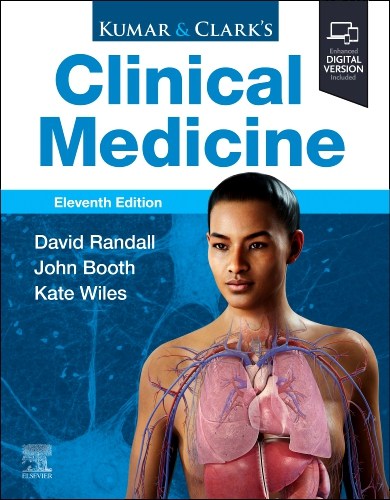
Read more about diagnosis and clinical medicine in Kumar and Clark’s Clinical Medicine, 11th Ed.
Available in print and on ClinicalKey Student
What other tips do you have for making a better diagnosis? Share with us in the comments below!
Leave a Reply